Posts

Showing posts with the label Breakout Machines
Image
Breakout Machines and Bucking Machines — What the Oil Patch Actually Needs Why the Right Equipment Makes or Breaks a Job Anyone who's spent real time on a well site knows this truth — the equipment either works for you or against you. The reason why breakout machines and bucking machines don't get treated as afterthoughts by the people who actually use them. Nobody puts them on a poster. But pull one off a job site and see how fast things slow down. What a Bucking Machine Actually Does Strip away the technical language, and a bucking machine does one thing — it makes up and breaks out threaded tubular connections with controlled, repeatable torque. That matters more than most people outside the industry realise. Hand tongs and guesswork used to be standard. The problem is that threads don't forgive guesswork. Overtorque a connection, and you've got galling. Undertorque it and you've got a failure waiting to happen downhole. A proper bucking machine removes that va...
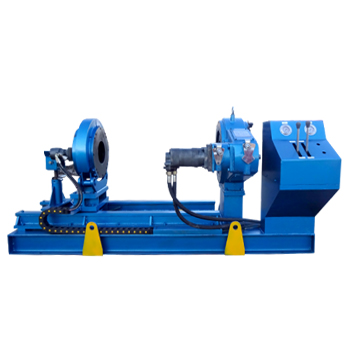
Bucking Units vs. Breakout Machines: Choosing the Right Tool for Pipe Torque Applications

Image
What Are Bucking Units and How Do They Work? Bucking units are powerful torque devices for tightening or loosening threaded connections on oilfield tubulars. Before they leave the shop or rig to go to the field, these tools are typically set up in shops or rigs to assemble tool joints, drill pipes, or collars, or even to put together MWD or LWD tool strings. Their hydraulic clamping tools are highly precise, and repeated use is important for safe, reliable well performance. Breakout Machines: Key Functions and Field Use The main purpose of breakout machines is to release pipe connections that are too tight, jammed, or over-torqued. They are useful in the field when you need to rapidly and safely break down tools and pipelines. They are also often used during disassembly or maintenance. Breakout machines are sometimes available in portable forms, which makes them an excellent alternative for jobs that need to be done on-site. Differences in Torque Control and Speed Torque con...